Western Fukushima · Updated 10 Nov 2026
Aizu Snow Cams & Snow Report
Takatsue and Daikura sit close together in the hills of Minamiaizu, and Hinoemata village, on the road to Oze, has a small ski hill of its own. The gateway is Aizukogen-Ozeguchi Station, where a local bus runs to Takatsue on weekends during the ski season. In some winters Tobu runs an overnight train, the Snow Pal 23:45, from Asakusa on weekend nights, timed to meet buses to Takatsue and Daikura before dawn; check Tobu's timetable for the season. Sources: aizubus.com, tobu.co.jp, aizukougen.jp, tif.ne.jp (sources read 2026-10-13; an AI draft the site operator has not yet checked)
No new snow has fallen at Aizu's ski areas in the last 48 hours.
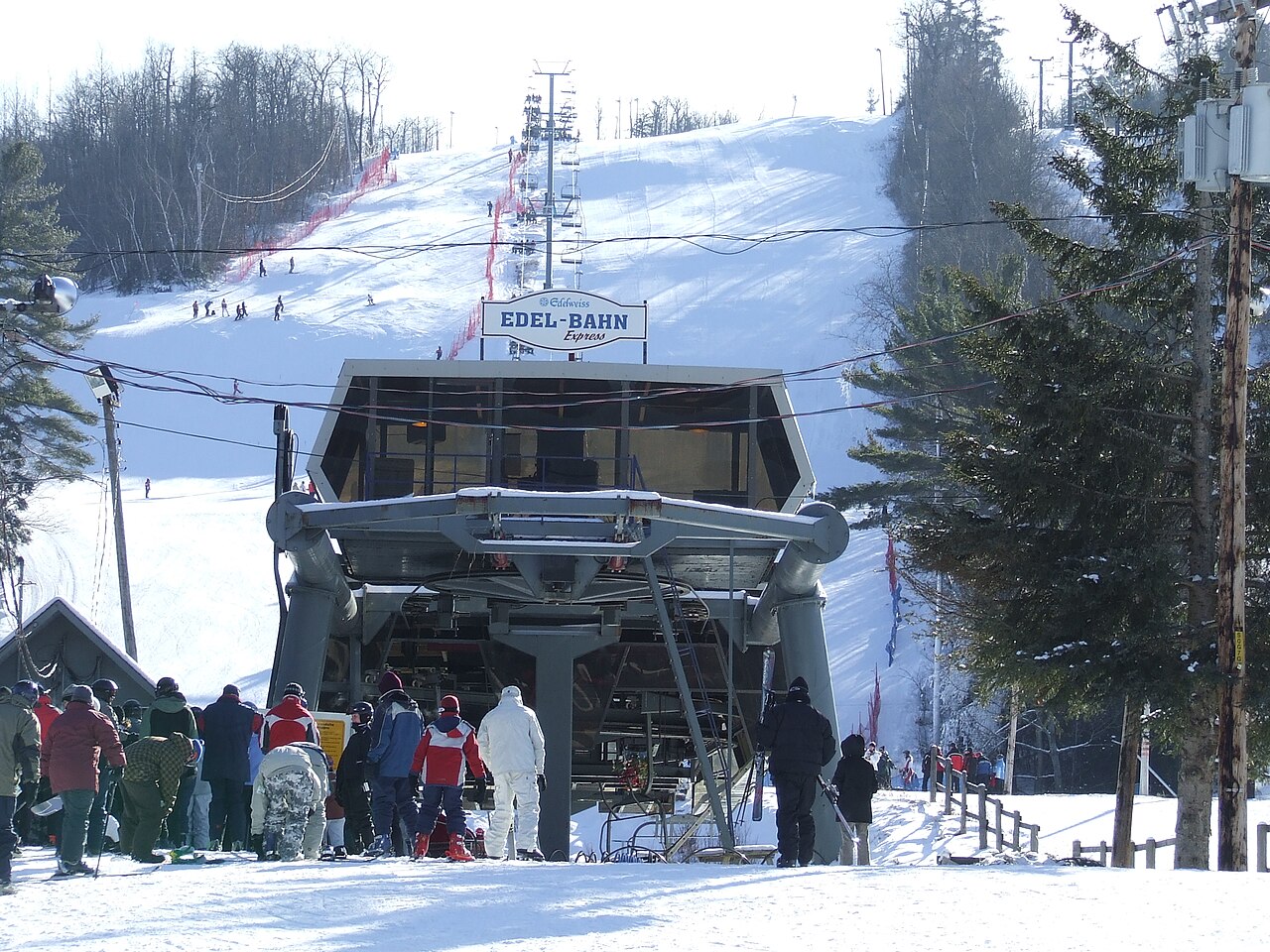
Pictured: Edelweiss Ski Resort
Live cameras
5 of the 7 ski areas have official live cameras (5 in all). Each link opens the operator's own page or YouTube stream.
- Aizu Kogen Daikura Ski Resort
- Official live camera ↗daikura.net
- Edelweiss Ski Resort
- Official live camera ↗edelsnow.com
- Hunter Mountain Shiobara Ski Area
- Slope live camera ↗hunter.co.jp
- Aizu Kogen Takahata
- Slope camera on the official home page ↗takahata-ski.net
- Aizukogen Nango Ski Area
- Slope camera on the official home page ↗nango-ski.com
No slope camera found yet: Aizu Kogen Takatsue Ski Resort, Oze Hinoemata Onsen Ski Resort
Footage remains the copyright of each operator. JAPANSNOWLINE neither stores nor redistributes it. Road cameras are listed on each resort’s page.
The season at a glance
| Ski area | Typical winter | Worst–best of 12 | Snow quality (of 397) | Adult day ticket |
|---|---|---|---|---|
| Aizu Kogen Takahatasame grid cell | 439 cm | 222–575 cm | 49 | — |
| Oze Hinoemata Onsen Ski Resortsame grid cell | 439 cm | 222–575 cm | 47 | — |
| Aizukogen Nango Ski Area | 394 cm | 312–494 cm | 146 | — |
| Aizu Kogen Daikura Ski Resort | 340 cm | 197–437 cm | 87 | — |
| Aizu Kogen Takatsue Ski Resort | 322 cm | 130–437 cm | 48 | — |
| Edelweiss Ski Resortsame grid cell | 193 cm | 130–243 cm | 177 | — |
| Hunter Mountain Shiobara Ski Areasame grid cell | 193 cm | 130–243 cm | 172 | ¥6,000 |
Typical winter is the December–March average over the last 12 winters (calculated). “Worst–best” is the leanest and the deepest of those 12 winters, which is the range a trip booked a year out has to live with. Ticket prices are checked on each resort’s own site; “—” means we have not checked one yet.
Compare Aizu Kogen Takahata, Oze Hinoemata Onsen Ski Resort, Aizukogen Nango Ski Area →
When the snow falls
In Aizu, the most snow falls in January. March brings 50% of January's, or about 56 cm. The one that keeps snowing latest is Edelweiss Ski Resort, where March still brings 72% of January's snowfall.
Monthly averages over the last 12 winters, averaged across the ski areas in this area. This is what falls in each month, not how deep the base is.
The mountains themselves
| Ski area | Base to top | Vertical | Spread of the runs |
|---|---|---|---|
| Aizu Kogen Daikura Ski Resort | 836–1,219 m | 383 m | 1.8 km |
| Aizu Kogen Takatsue Ski Resort | 960–1,628 m | 668 m | 3.6 km |
| Edelweiss Ski Resort | 1,247–1,476 m | 229 m | 1.7 km |
| Hunter Mountain Shiobara Ski Area | 1,138–1,638 m | 500 m | 2.5 km |
| Aizu Kogen Takahata | 725–1,249 m | 524 m | 2.4 km |
| Aizukogen Nango Ski Area | 519–997 m | 478 m | 2.7 km |
| Oze Hinoemata Onsen Ski Resort | 923–1,081 m | 158 m | 0.7 km |
Elevations come from the Geospatial Information Authority of Japan and OpenStreetMap. “Spread” is the width of the area the runs cover, not the total length of piste.
Questions people ask
How much snow does Aizu get in a typical winter?
From December to March, the most falls at Aizu Kogen Takahata and Oze Hinoemata Onsen Ski Resort: about 439 cm. The least in the same area is at Edelweiss Ski Resort and Hunter Mountain Shiobara Ski Area, about 193 cm. The figures come from weather-model grid cells about 30 km across, so neighbouring ski areas in different cells can differ widely. Calculated from the last 12 winters.
What happens in Aizu in a bad winter?
Over the last 12 winters, Aizu Kogen Takahata ranged from 222 cm in its leanest winter to 575 cm in its deepest, against a typical 439 cm, so a poor winter brought 51% of the usual amount.