Northern Gunma, rising to 2,000 m · Updated 10 Nov 2026
Oze and Marunuma Snow Cams & Snow Report
From the Numata exit on the Kan-etsu Expressway, Route 120 heads east and the ski areas follow the valley up the Katashina River. Lodging means the onsen inns, family-run minshuku and pensions scattered along the river in Katashina village. The 12.1 km of Route 120 from the Marunuma ski area entrance to the Konsei Tunnel is shut in winter, and Oku-Nikko Yumoto, over the pass, is approached from the Tochigi side instead. Sources: gazoo.com, pref.gunma.jp, pref.tochigi.lg.jp (sources read 2026-10-13; an AI draft the site operator has not yet checked)
No new snow has fallen at Oze and Marunuma's ski areas in the last 48 hours.
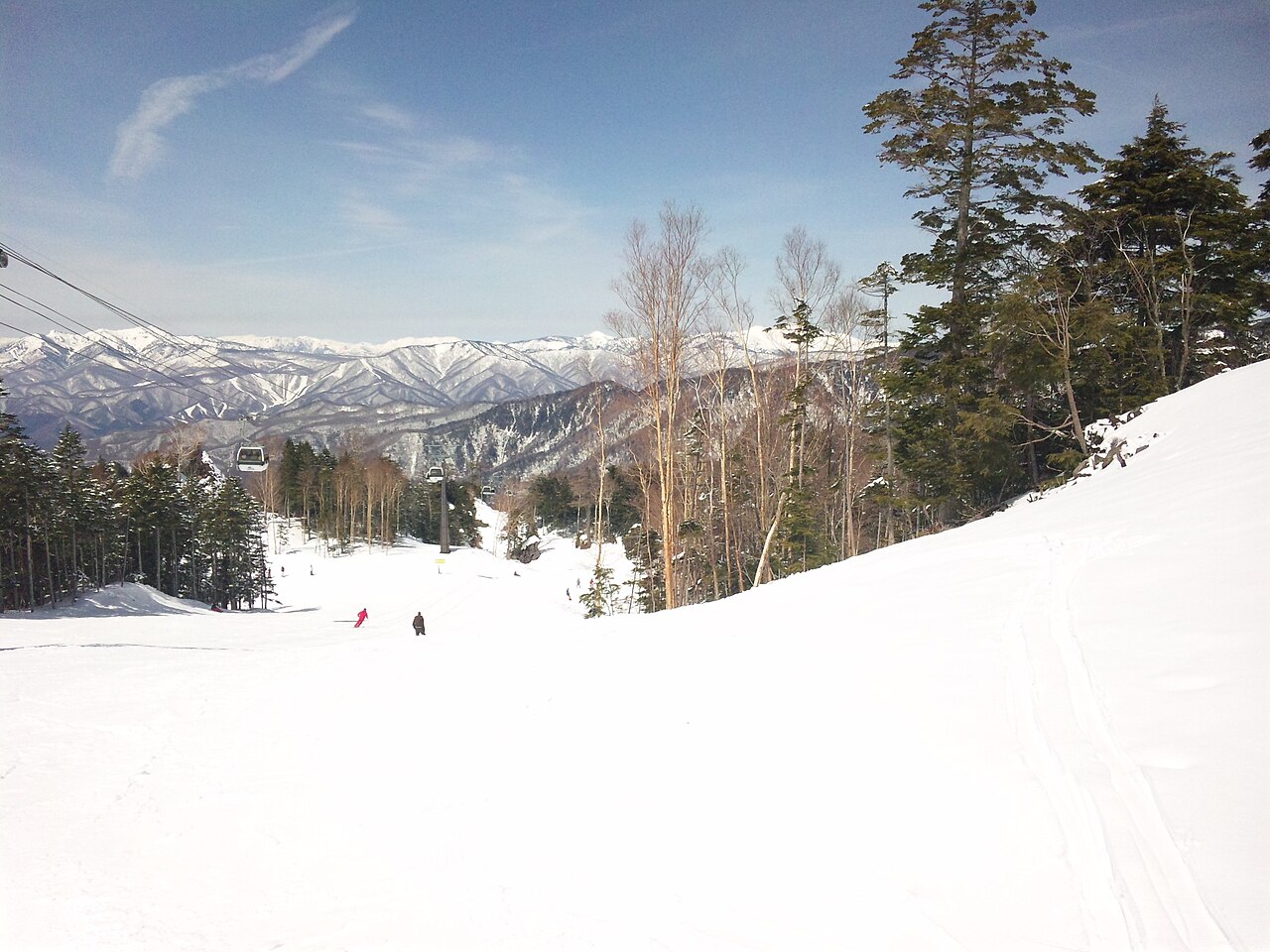
Pictured: Marunuma Kogen Ski Resort
Live cameras
3 of the 5 ski areas have official live cameras (3 in all). Each link opens the operator's own page or YouTube stream.
- Marunuma Kogen Ski Resort
- Official live camera ↗marunuma.jp
- White World Oze Iwakura
- Official live camera ↗oze-iwakura.co.jp
- Katashina Kogen Ski Resort
- Katashina Kogen ↗katashinakogen.co.jp
No slope camera found yet: Nikko Yumoto Onsen Ski Park, Snow Park Oze Tokura
Footage remains the copyright of each operator. JAPANSNOWLINE neither stores nor redistributes it. Road cameras are listed on each resort’s page.
Today's snow
| Ski area | 24 h | 48 h | Base | Next 3 days | Temp | Powder Score |
|---|---|---|---|---|---|---|
| Marunuma Kogen Ski Resort | 0 cm | 0 cm | 1 cm | 0 cm | −2°C | 21 |
| Nikko Yumoto Onsen Ski Park | 0 cm | 0 cm | 1 cm | 0 cm | −2°C | 19 |
| Snow Park Oze Tokura | 0 cm | 0 cm | 0 cm | 0 cm | 0°C | 14 |
| White World Oze Iwakura | 0 cm | 0 cm | 0 cm | 0 cm | −1°C | 12 |
| Katashina Kogen Ski Resort | 0 cm | 0 cm | 0 cm | 0 cm | 2°C | 10 |
Snowfall and base are calculated from a weather model, not reported by the resorts. "Next 3 days" is Open-Meteo’s published forecast shown as-is; it is not a forecast made by JAPANSNOWLINE. Check the Japan Meteorological Agency and the resort before you travel.
The season at a glance
| Ski area | Typical winter | Worst–best of 12 | Snow quality (of 397) | Adult day ticket |
|---|---|---|---|---|
| Snow Park Oze Tokurasame grid cell | 252 cm | 158–318 cm | 84 | — |
| White World Oze Iwakurasame grid cell | 252 cm | 158–318 cm | 69 | ¥5,800 |
| Katashina Kogen Ski Resortsame grid cell | 252 cm | 158–318 cm | 101 | — |
| Marunuma Kogen Ski Resort | 249 cm | 158–312 cm | 41 | — |
| Nikko Yumoto Onsen Ski Park | 214 cm | 116–275 cm | 81 | — |
Typical winter is the December–March average over the last 12 winters (calculated). “Worst–best” is the leanest and the deepest of those 12 winters, which is the range a trip booked a year out has to live with. Ticket prices are checked on each resort’s own site; “—” means we have not checked one yet.
Compare Snow Park Oze Tokura, White World Oze Iwakura, Katashina Kogen Ski Resort →
When the snow falls
In Oze and Marunuma, the most snow falls in January. March brings 71% of January's, or about 55 cm. The one that keeps snowing latest is Nikko Yumoto Onsen Ski Park, where March still brings 102% of January's snowfall.
Monthly averages over the last 12 winters, averaged across the ski areas in this area. This is what falls in each month, not how deep the base is.
The mountains themselves
| Ski area | Base to top | Vertical | Spread of the runs |
|---|---|---|---|
| Marunuma Kogen Ski Resort | 1,383–1,991 m | 608 m | 2.9 km |
| Nikko Yumoto Onsen Ski Park | 1,507–1,675 m | 168 m | 1.3 km |
| Snow Park Oze Tokura | 1,077–1,392 m | 315 m | 1.9 km |
| White World Oze Iwakura | 1,043–1,673 m | 630 m | 3.7 km |
| Katashina Kogen Ski Resort | 950–1,263 m | 313 m | 1.9 km |
Elevations come from the Geospatial Information Authority of Japan and OpenStreetMap. “Spread” is the width of the area the runs cover, not the total length of piste.
Questions people ask
How much snow does Oze and Marunuma get in a typical winter?
From December to March, the most falls at Snow Park Oze Tokura, White World Oze Iwakura and Katashina Kogen Ski Resort: about 252 cm. The least in the same area is at Nikko Yumoto Onsen Ski Park, about 214 cm. The figures come from weather-model grid cells about 30 km across, so neighbouring ski areas in different cells can differ widely. Calculated from the last 12 winters.
What happens in Oze and Marunuma in a bad winter?
Over the last 12 winters, Snow Park Oze Tokura ranged from 158 cm in its leanest winter to 318 cm in its deepest, against a typical 252 cm, so a poor winter brought 63% of the usual amount.